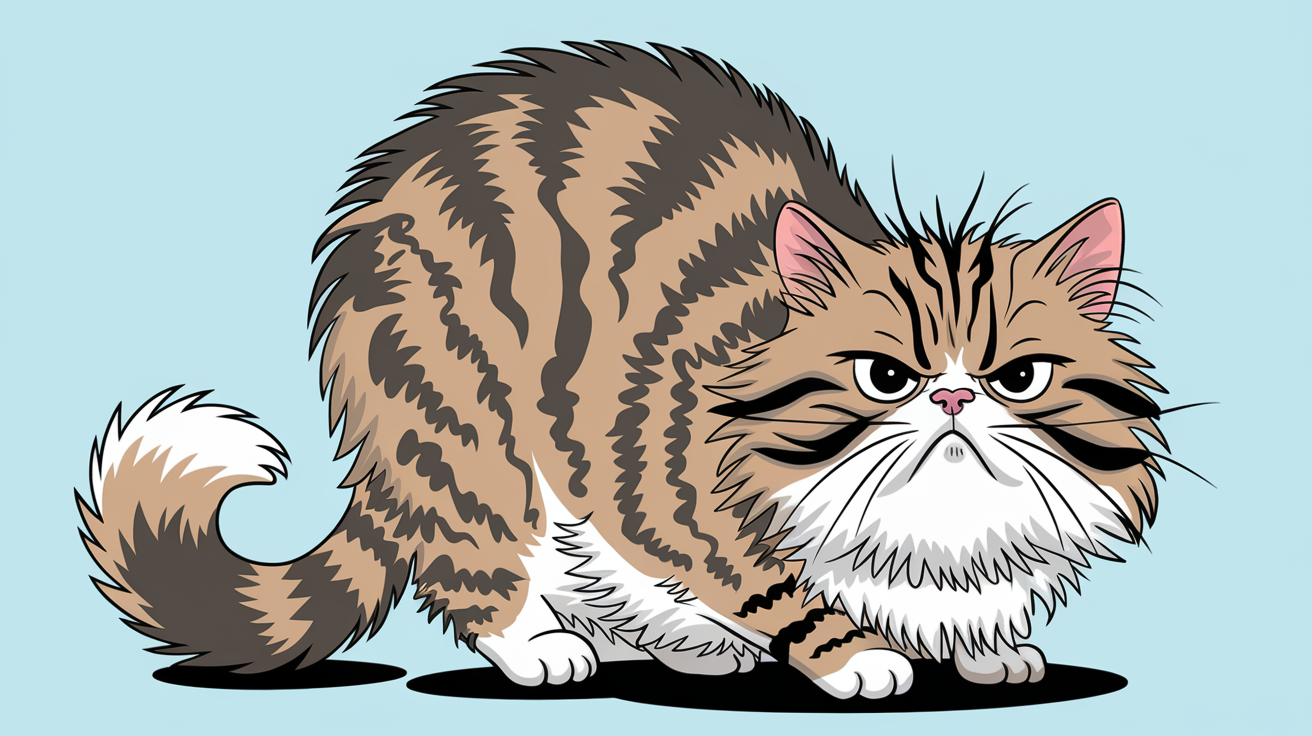
Cat with wavy stink lines
😿

Do Cat Farts Smell Bad?

When feline flatulence gets funky

Cat farts can be surprisingly stinky. Here's why they smell so bad and what causes extra smelly feline gas.

📖 3 min read Updated 2026-02-08

Your cat—the picture of elegance and poise—just released something that could peel wallpaper. Yes, cat farts can absolutely smell bad. Sometimes really bad.

Let's talk about why this happens and what you can do about it.

🐾

Can Cat Farts Actually Smell Bad?

The Short Answer

Yes. While most cat farts are mild or odorless, cats can produce seriously smelly gas when something's off with their diet or digestion.

Normal cat gas situation:

  • Most farts are silent and not noticeably smelly
  • Occasional mild odor is normal
  • You might go months without noticing cat gas

When something's off:

  • Farts become noticeably frequent
  • Strong, unpleasant sulfur or rotten smell
  • You suddenly become very aware of your cat's flatulence
The Surprise Factor

Because cat farts are usually mild, when they DO stink, it's extra shocking. You don't expect such a small, cute animal to produce such an assault on the senses.

🐾

Why Some Cat Farts Stink So Badly

🥩
High Protein = More Sulfur
Cats are carnivores. Protein digestion produces sulfur gases. Sometimes they're extra concentrated.
🦠
Gut Bacteria Imbalance
Too many sulfur-producing bacteria create smellier gas.
Poor Food Quality
Low-quality food is harder to digest, leading to more putrid fermentation.
🤒
Digestive Issues
Infections, parasites, or inflammation cause malodorous gas.

The main smelly compounds:

  • Hydrogen sulfide — Rotten egg smell
  • Mercaptans — Skunky, garlicky odor
  • Skatole — Feces smell (yes, really)
🐾

Common Causes of Smelly Cat Farts

Cause
Solution
Dairy products
Eliminate all dairy
Low-quality food
Upgrade to premium cat food
Food intolerance
Try limited ingredient diet
Eating too fast
Slow feeder or smaller portions
Intestinal parasites
Vet check and deworming
Bacterial infection
Vet diagnosis and treatment
When Smelly Farts Are a Red Flag

If smelly gas is sudden onset, constant, or accompanied by diarrhea, vomiting, loss of appetite, or lethargy—see your vet. This could indicate infection, parasites, or inflammatory bowel disease.

🐾

How to Reduce Smelly Cat Farts

  1. Switch to High-Quality Food
    Look for named meat as the first ingredient, minimal fillers, and no artificial additives. Digestibility is key—better digestion = less smelly gas.
  2. No More Dairy
    Adult cats shouldn't have milk, cheese, or cream. Period. Use lactose-free cat milk if you want to give a liquid treat.
  3. Add Probiotics
    Cat-specific probiotics help balance gut bacteria and reduce sulfur-gas-producing microbes.
  4. Rule Out Medical Issues
    If diet changes don't help after 2-3 weeks, get a vet check. Parasites and infections need proper treatment.
  5. Consider Novel Proteins
    If your cat is on chicken-based food, try fish, duck, or rabbit. Some cats digest certain proteins better than others.
Quick Test

Eliminate ALL treats and table scraps for 2 weeks while keeping regular food consistent. If farts improve, one of those extras was the culprit.

🐾 Note: Always transition foods gradually over 7-10 days to avoid digestive upset.
🐾

Frequently Asked Questions

Why does my cat's fart smell like rotten eggs?
That's hydrogen sulfide—produced when gut bacteria break down sulfur-containing proteins. High-protein diets (which cats need) naturally produce some, but excessive rotten egg smell usually indicates dietary or digestive issues.
Is it normal for cat farts to smell like death?
Occasional strong smell can happen, but regular "death-level" farts aren't normal. This suggests something's wrong with digestion or diet. Investigate food quality, possible parasites, or food intolerances.
Can wet food cause smellier farts than dry food?
It depends on the specific food, not wet vs. dry. Low-quality versions of either can cause smelly gas. High-quality wet food is generally easier to digest and may produce less odor than cheap kibble.
My cat just started having smelly farts—should I be worried?
Sudden changes warrant attention. Check if anything changed—new food, treats, access to table scraps, new plants they might be chewing. If nothing obvious and it persists more than a week with no other symptoms, a vet check is wise.

More Pet Fart Articles

🎛️ Need a Laugh?

Check out our free fart soundboard with 150+ sounds.

Play Fart Sounds →