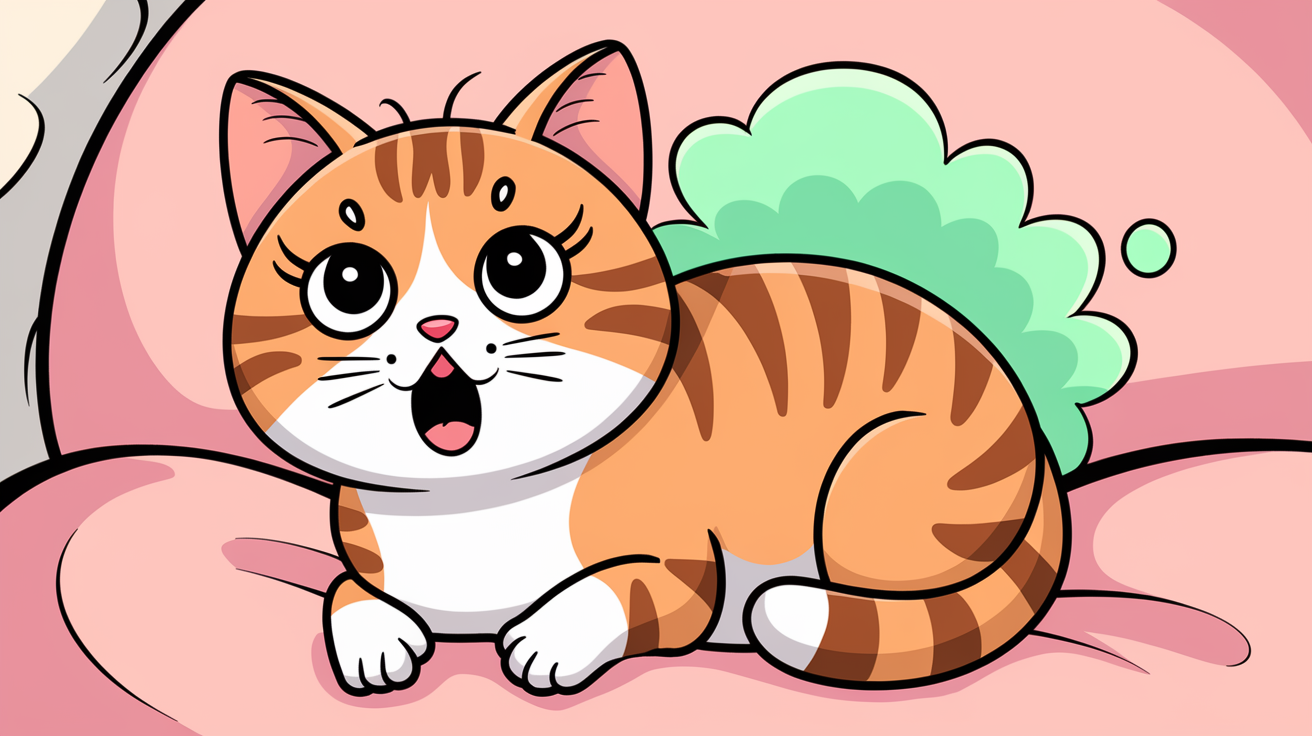
Elegant cat with subtle green cloud
🐱

Do Cats Fart?

Yes, but they're sneaky about it

Cats definitely fart! Learn about feline flatulence, why it's usually silent, and when cat farts might indicate a problem.

πŸ“– 4 min read β€’ Updated 2026-02-08

They act all dignified and superior, but yesβ€”cats absolutely fart. They're just way more discreet about it than dogs.

While dog farts can be room-clearing events, cat farts often go unnoticed. But they happen, and sometimes they become noticeable. Here's what you should know.

🐾

Yes, Cats Definitely Fart

The Biology

Cats have digestive systems that produce gas, just like all mammals. Bacteria in their intestines break down food, creating gases like nitrogen, hydrogen, and sometimes smelly sulfur compounds.

Cat flatulence facts:

  • All cats produce intestinal gas
  • Most cat farts are silent
  • Healthy cat farts are usually odorless or mildly smelly
  • Cats fart less frequently than dogs (different diet and digestion)
  • Very smelly or frequent cat farts may indicate a problem
Fun Fact

Cats are obligate carnivores, meaning their digestive systems are optimized for meat. This typically results in less gas than omnivores like dogs, whose guts deal with a wider variety of foods.

🐾

Why Cat Farts Are So Sneaky

πŸ”‡
Smaller Volume
Cats produce less gas per fart than larger animals. Smaller volume = quieter release.
πŸ₯©
Meat-Based Diet
Pure carnivore digestion produces less fermentation gas than omnivore diets.
🐈
Gradual Release
Cats often release gas slowly and quietly rather than in sudden bursts.
😺
They Walk Away
Cats are mobile. They fart and stroll away before you notice. Very on-brand.
The Dignity Myth

Cats aren't more dignifiedβ€”they're just better at concealment. They absolutely fart; they just don't make a scene about it like some dogs we know.

🐾

What Causes Cat Gas

Normal causes of cat flatulence:

  • Swallowed air β€” From eating too fast or breathing through mouth
  • Food breakdown β€” Normal bacterial fermentation of food
  • Hairballs β€” Swallowed hair can contribute to gas
  • Certain foods β€” Some ingredients cause more gas

Foods that may increase cat gas:

πŸ”΄ More Gas
🟒 Usually Fine
Dairy products
High-quality meat-based food
Foods with fillers
Grain-free or limited ingredient
Sudden diet changes
Gradual food transitions
High-fiber foods
Appropriate protein levels
Table scraps
Cat-specific treats
Milk Myth

Despite the stereotype, most adult cats are lactose intolerant. Giving your cat milk can cause digestive upset and gas. Skip the saucer of milk.

🐾

When Cat Farts Are a Warning Sign

Unlike occasional, mild cat farts, these patterns warrant attention:

See a Vet If Your Cat Has
  • Frequent, very smelly gas (unusual for them)
  • Gas accompanied by bloated belly
  • Gas with diarrhea or vomiting
  • Loss of appetite alongside gas
  • Weight loss
  • Lethargy or behavioral changes
  • Straining to defecate

Possible underlying issues:

  • Food allergies/intolerance β€” Common cause of chronic gas
  • Intestinal parasites β€” Worms can cause gas and digestive upset
  • IBD β€” Inflammatory bowel disease affects many cats
  • Dietary indiscretion β€” Eating something they shouldn't have
  • Intestinal infection β€” Bacterial or viral
🐾 Note: Cats hide illness well. If your cat's flatulence pattern changes significantly, it's worth a vet check.
🐾

Frequently Asked Questions

Why have I never heard my cat fart? β–Ό
Cat farts are typically very quiet due to smaller gas volume and gradual release. They definitely happenβ€”you just can't hear them. You might occasionally smell one if you're close enough at the right (wrong?) moment.
My cat just farted loudlyβ€”is that normal? β–Ό
Audible cat farts happen occasionally and aren't automatically concerning. If it's a one-off, don't worry. If your cat suddenly starts having frequent audible farts, investigate their diet or consult a vet.
Do kittens fart more than adult cats? β–Ό
Sometimes! Kittens have developing digestive systems and may be adjusting to solid food. Some gassiness during this transition is normal. It usually decreases as they mature and their gut stabilizes.
Can I give my cat Gas-X? β–Ό
Simethicone (Gas-X) is generally considered safe for cats in appropriate doses, but you should consult your vet first. They can recommend the right dosage and confirm it's appropriate for your cat's situation.

More Pet Fart Articles

πŸŽ›οΈ Need a Laugh?

Check out our free fart soundboard with 150+ sounds.

Play Fart Sounds β†’