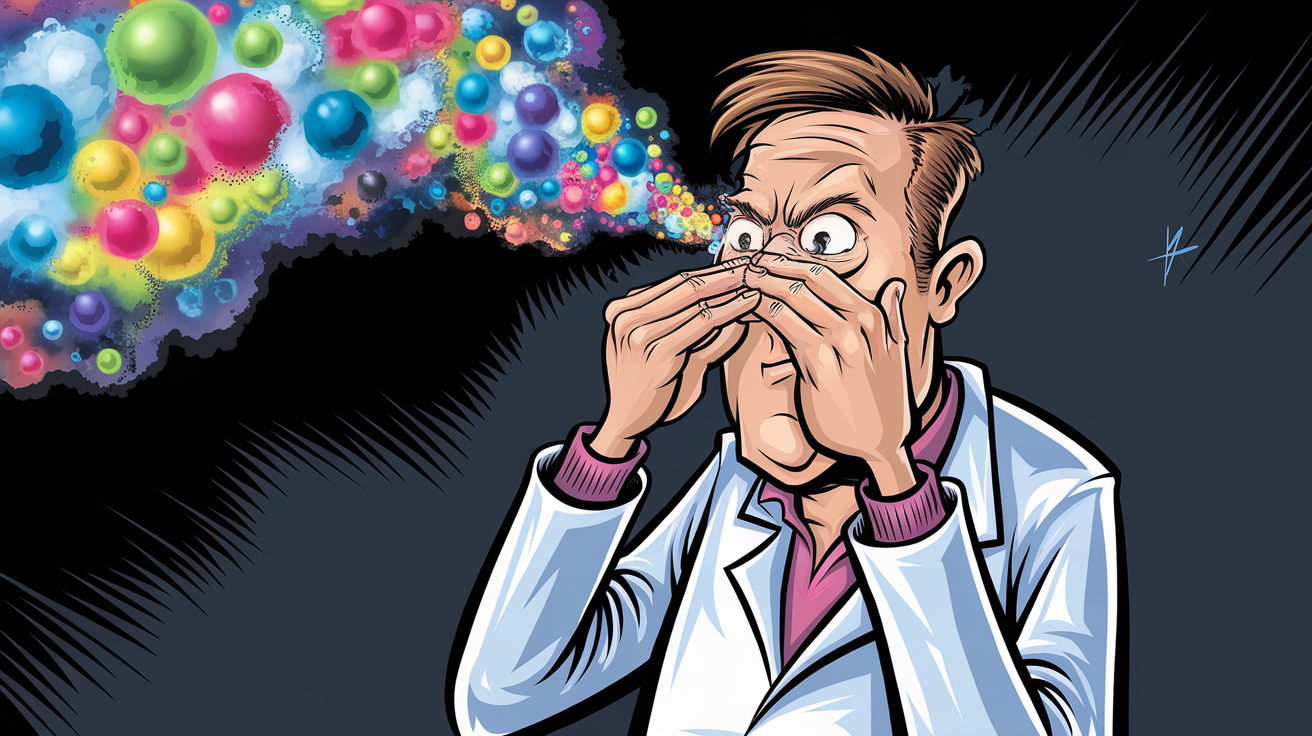
Let's be honest—we've all had that moment. You let one slip, thinking it'll be a silent, harmless puff of air, and suddenly people are evacuating the room like there's a gas leak. Which, technically, there is.
But here's the thing: smelly farts are completely normal. Everyone produces them. Yes, even that person you have a crush on. The real question is: why do some farts smell like they could peel paint off walls while others are completely odorless?
Buckle up (and maybe crack a window), because we're diving deep into the surprisingly fascinating science of stinky gas.
The Stinky Culprits: What Makes Farts Smell
Only about 1% of the gas you pass actually smells. The rest—nitrogen, carbon dioxide, hydrogen, and sometimes methane—is completely odorless. That tiny 1%? It's doing a lot of heavy lifting.
The smell comes from sulfur-containing compounds produced when bacteria in your large intestine break down certain foods. Think of your gut like a fermentation factory—billions of bacteria working 24/7 to digest what you eat. Some of their byproducts just happen to smell like death.
The main offenders:
Hydrogen sulfide is the same gas that makes hot springs and volcanoes smell like rotten eggs. So technically, your butt is geologically active.
Foods That Make Your Farts Smell Worse
Not all foods are created equal in the fart department. Some are practically engineered to create biological weapons. Here's your guide to the worst offenders:
Notice something? Foods high in sulfur (eggs, meat, cruciferous veggies) are the biggest culprits. Your gut bacteria love sulfur-containing amino acids, and they repay you with that special aroma.
But wait—before you swear off broccoli forever, remember that many "stinky" foods are also incredibly healthy. The goal isn't to eliminate them entirely, just to be strategic about timing. Maybe don't demolish a plate of Brussels sprouts before a first date.
How to Actually Reduce Fart Smell
Good news: you're not doomed to a life of clearing rooms. There are real, science-backed ways to dial down the stench. Here's what actually works:
-
Slow Down When EatingWolfing down food means swallowing more air, which means more gas to expel. Plus, poorly chewed food gives your gut bacteria more to ferment. Chew thoroughly. Yes, like your mom always said.
-
Try ProbioticsThe right gut bacteria can make a huge difference. Probiotics help balance your microbiome, potentially reducing sulfur-producing bacteria. Yogurt, kefir, or supplements can help.
-
Stay HydratedWater helps move things through your digestive system efficiently. When you're dehydrated, food sits longer in your gut, giving bacteria more time to create those lovely smells.
-
Move Your BodyExercise promotes healthy digestion and helps gas move through your system rather than building up. A post-meal walk can work wonders.
-
Identify Your Personal TriggersEveryone's gut is different. Keep a mental note of what makes YOUR farts particularly heinous. For some it's dairy, for others it's beans. Know your enemy.
Peppermint tea and ginger can help reduce gas and bloating. They won't eliminate farts, but they can help with the smell and discomfort. Plus, you'll feel fancy drinking tea.
When to Actually See a Doctor
Smelly farts are usually just a sign that your digestive system is working. But sometimes they can signal something that needs attention.
- Severe or persistent abdominal pain
- Blood in your stool
- Unexplained weight loss
- Chronic diarrhea or constipation
- Symptoms that don't improve with diet changes
- Sudden, dramatic change in fart smell that persists for weeks
These could indicate conditions like celiac disease, inflammatory bowel disease, infections, or food intolerances that deserve professional attention. Don't be embarrassed—doctors have heard it all, and they'd rather you ask than suffer in silence (or stench).