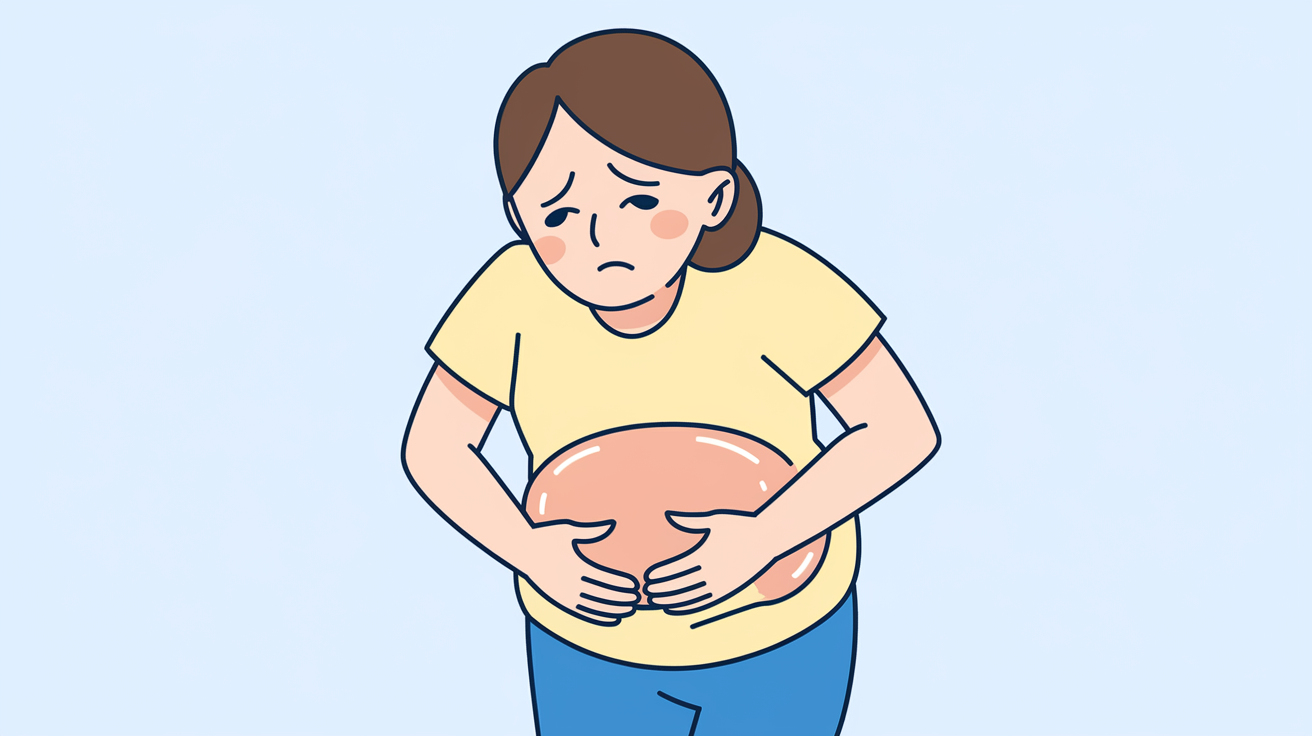
Your belly is distended, tight, uncomfortable. You feel like a balloon ready to pop. And yet—despite all that gas clearly being in there—you can't release it. Every attempted fart is a failure.
This combination of bloating with inability to pass gas is one of the most frustrating digestive issues. But understanding why it happens points directly to the solutions.
Bloating vs Gas: Understanding the Difference
Bloating is the sensation and visible distension. Gas is one potential cause. You can have bloating from gas, water retention, food volume, or even muscle tension. Not all bloating means trapped gas.
Signs your bloating IS from trapped gas:
- Bloating comes on relatively quickly (hours, not days)
- You feel pressure that shifts location
- Belly makes gurgling sounds
- Relief comes when you finally do pass gas
- Often worse after eating certain foods
Signs bloating might NOT be gas:
- Gradual onset over days/weeks
- No gurgling or movement sensation
- Passing gas doesn't help
- Associated with menstrual cycle (water retention)
- Hard, rigid abdomen
Why Gas Gets Trapped When You're Bloated
Bloating can actually make it harder to fart. The distension causes discomfort, which triggers muscle tension, which traps gas, which causes more distension. Breaking this cycle requires active intervention.
Immediate Relief Strategies
-
Get MovingStand up and walk around for 10-15 minutes. Movement activates intestinal muscles and helps gas travel. Even gentle movement is better than sitting still.
-
Loosen Tight ClothingTight waistbands compress the abdomen and restrict natural gut movement. Change into loose pants or sweats immediately.
-
Try the Gas-Release Sequence
- Lie on left side for 2 minutes
- Flip to back, pull both knees to chest
- Rock gently side to side
- Return to left side
- Repeat until gas moves
-
Apply WarmthA warm compress or hot water bottle on your belly relaxes abdominal muscles and can help gas move.
-
Drink Warm LiquidWarm water or peppermint tea. The warmth relaxes muscles internally while peppermint has antispasmodic properties.
Avoid drinking carbonated beverages (adds more gas), eating more food (adds volume), or lying flat on your back for extended periods (can trap gas in upper colon).
Longer-Term Solutions
Common dietary triggers to investigate:
- FODMAPs (fermentable carbs in many foods)
- Dairy (lactose intolerance)
- Gluten (celiac or sensitivity)
- Artificial sweeteners (especially sugar alcohols)
- Cruciferous vegetables
- Legumes and beans
When to See a Doctor
Occasional bloating is normal. But persistent or severe symptoms need evaluation.
- Bloating that doesn't resolve for weeks
- Progressive worsening of symptoms
- Unintentional weight loss
- Blood in stool
- Severe pain with bloating
- Complete inability to pass gas for 24+ hours
- Bloating with vomiting
- New onset after age 50
Conditions that can cause chronic bloating:
- IBS (Irritable Bowel Syndrome)
- SIBO (Small Intestinal Bacterial Overgrowth)
- Food intolerances
- Celiac disease
- Gastroparesis
- Ovarian issues (in women)